
blog-logo
  • Home
  • WP Plugins
    WP PluginsShow More
    SEOPress Pro Review 2026: Features, Pricing and Verdict
    21 Min Read
    Most WordPress form plugins stop at the point of submission: the entry lands in the database, an email goes out, and everything after that is your problem. This Formidable Forms Pro review looks at a builder that treats submitted data as something you can act on — collecting payments, triggering automated workflows, and publishing entries back to the front end through Views. For anyone who has outgrown a basic contact form and started sketching directories, calculators, or client-facing dashboards, that distinction matters more than field types do. The question is whether an annual license justifies itself for site owners whose forms need to do real work after the submit button. Quick Verdict Formidable Forms suits freelancers, agencies, and business owners building data-driven forms — payment flows, application systems, front-end listings — on WordPress. Anyone who only needs a styled contact form will find the license hard to justify, and the plugin has no use outside WordPress. Pros Views display submitted entry data on the front end, turning forms into simple web applications rather than one-way capture points Payment collection through Stripe, PayPal, Square, and Authorize.net covers most common checkout setups CRM and automation integrations include Salesforce, Zapier, Google Sheets, HubSpot, and Mailchimp Business and Elite licenses cover unlimited sites, including client sites — practical for agencies juggling multiple builds Over 100 form templates give you a starting point instead of a blank canvas Layered spam protection built in via reCAPTCHA, honeypot, and Akismet Pro zip uploads directly through the WordPress plugin uploader with no extraction step Cons User registration is limited to certain plans and requires a separate add-on rather than working out of the box Single-site and three-site limits on Basic and Plus push multi-site owners toward the pricier Business or Elite tiers 👉 See Formidable Forms pricing Core Features The formidable-pro-6.34.zip file installs directly in WordPress via Plugins → Add New Plugin → Upload Plugin, without extracting it first — a small detail, but one that saves a step for anyone used to unzipping archives before upload. Views: Displaying Submitted Entries on the Front End Views are the feature that separates Formidable Forms from the average contact form plugin. Instead of entry data sitting in the WordPress admin waiting for someone to export it, Views pull submitted entries back out and render them on the front end — as directories, listings, tables, profile pages, or whatever layout the data suits. That changes what a form is for. A submission stops being a message you reply to and becomes content that populates a page. Job boards, member directories, event calendars, review listings, and internal dashboards all become achievable without a separate directory plugin or custom post type work. For anyone considering the Pro license specifically, this is usually the reason. Views are what make the "front-end web applications" claim more than marketing language. Form Builder for Simple Forms and Full Applications The builder handles the ordinary case — a contact form, a quote request, a newsletter signup — and then keeps going. The same interface builds multi-step forms and calculation-driven applications, so you are not learning a second tool when a project grows past a name-and-email field. The practical benefit is consistency across a portfolio. A freelancer building a five-field contact form on one site and a mortgage calculator on another works inside the same builder both times, which shortens the second build considerably. Payment Collection Payments run through Stripe, PayPal, Square, and Authorize.net. Having four processors available matters more than it sounds: merchant account availability varies by country and by business type, and being locked to a single gateway is a common reason form plugins get replaced mid-project. This covers the transactions that do not belong in a full store — donations, deposits, booking fees, application charges, invoice payments. Rather than installing WooCommerce to take a single fee, you attach payment collection to a form you were building anyway. A WooCommerce integration is available separately for sites that do run a store. Workflow Automation Automation ties what happens after submission to conditions you set, so form data triggers actions instead of just landing in a database table. Combined with Views, it is the second half of the application-building story — data comes in, actions fire, results display. For a business owner, this is the difference between checking an inbox and having submissions route themselves. Approval steps, conditional notifications, and follow-up actions run without anyone opening the WordPress dashboard. Integrations With CRMs, Marketing Tools, and Automation Platforms The integration list covers Salesforce, HubSpot, Mailchimp, Zapier, Google Sheets, ChatGPT, and Webhooks alongside the payment gateways, plus WooCommerce and ACF on the WordPress side. Two of those deserve attention. Zapier and Webhooks together mean that anything not on the native list is still reachable, and Webhooks in particular gives developers a direct route into custom endpoints. Google Sheets suits teams who want submissions in a spreadsheet their non-technical colleagues already use, without granting WordPress admin access. 100+ Form Templates The template library ships with over 100 prebuilt forms. For agencies handling repetitive client requests — contact, quote, registration, application, feedback — starting from a template and editing fields is faster than building from an empty canvas each time. Templates also serve as a reference for how the builder handles more complex structures, which helps when you are moving from simple forms toward calculation or multi-page setups. Layered Spam Protection Three spam defenses are built into the plugin's settings: reCAPTCHA, a honeypot field, and Akismet. They work at different points — the honeypot catches naive bots silently, reCAPTCHA challenges suspicious sessions, and Akismet checks submission content against a shared spam database. Because all three are configured inside Formidable Forms rather than bolted on through separate plugins, you can layer them according to how aggressive a given form needs to be. A newsletter signup and a public job application do not need the same level of friction. User Registration Forms can create WordPress user accounts, which turns a signup form into the front door of a membership area, client portal, or community site. Registration is not part of the base install — it depends on the user registration add-on and is limited to certain plans, so confirm plan eligibility before committing to a build that relies on it. Paired with Views, registration supports a common pattern: users sign up, submit entries, and see their own submissions displayed back to them on the front end. Installation and Setup Setup is quick. Tested on WordPress 6.5 with PHP 8.4, installation and basic configuration took about two minutes from upload to a working form. Install the free Formidable Forms plugin first. The free core plugin is distributed through the WordPress.org plugin directory. Search for it under Plugins → Add New Plugin, install it, and activate it. The Pro plugin is an extension, not a replacement — the free core plugin must remain installed and active for Pro to function. Deactivating it will break the Pro features. Purchase a Pro license. Four tiers are sold: Basic, Plus, Business, and Elite. Download the Pro plugin ZIP from your account after purchase. Upload the Pro ZIP through WordPress. Go to Plugins → Add New Plugin → Upload Plugin, choose the ZIP file, and install it. The archive installs directly — there is no need to extract it or dig for a nested plugin folder inside it first. Activate the Pro plugin. Both plugins now appear in your plugin list, and the Pro features become available inside the Formidable Forms admin screens. Build your first form, starting from a template rather than a blank canvas. Turn on spam protection. reCAPTCHA, honeypot, and Akismet are all supported and configured through the plugin's settings. Connect the services you need. Payment processors and third-party tools are set up per form or through the global settings, depending on the integration. Add the user registration add-on if your plan includes it. The vendor maintains a Docs & Support area and a community resource for anything beyond the basics. Compatibility and Requirements Requirement Detail WordPress version 6.3 or higher PHP version 7.4 or higher License GPL The vendor is blunt about the platform requirement: "Formidable Forms is a WordPress Plugin. In order to use Formidable Forms, you must have a WordPress site. That's all." There is no standalone, hosted, or non-WordPress version — if your site runs on Squarespace, Webflow, or a static generator, this is not the tool for you. For a live, public-facing site, pair a currently supported PHP version with the current stable WordPress release rather than sitting at the stated minimums. Unsupported PHP branches stop receiving security patches, and a form plugin handling payments and personal data is the last place to accept that risk. On the integration side, the plugin connects with Stripe, PayPal, Square, and Authorize.net for payments, plus Salesforce, HubSpot, Mailchimp, Zapier, ChatGPT, Google Sheets, Webhooks, WooCommerce, and ACF. Formidable Forms Pricing Formidable Forms runs on a freemium model. The free core plugin, distributed through the WordPress.org plugin directory and often referred to as Formidable Forms Lite, is a drag-and-drop form builder used on hundreds of thousands of active sites. It handles standard form building on its own, and it also acts as the foundation for the paid product. The Pro version is sold as an annual license across four tiers. Plan Price Sites Basic $79/year 1 site Plus $199/year Up to 3 sites Business $399/year Unlimited sites, including client sites Elite $599/year Unlimited sites, including client sites All four tiers are currently listed at 50% off those regular rates — Basic at $39.50/year, Plus at $99.50/year, Business at $199.50/year, and Elite at $299.50/year. Discounting at this depth is a familiar pattern in the WordPress form builder market, so treat the promotional figure as the price you are likely to see rather than the price the plugin is nominally worth. Paid plans are GPL licensed and include one year of updates and support. A 14-day money-back guarantee applies to purchases. For agencies and freelancers, the Business and Elite tiers are the ones worth weighing. Both cover unlimited sites, client sites included, which removes the per-project license math that eats into small builds. Alternatively, a license can be purchased per client site if you would rather bill each project separately. Formidable Forms also runs an affiliate program paying 20% commission. Feature availability differs by tier. Check the current plan comparison at formidableforms.com before buying so the tier you choose covers the integrations and add-ons your build actually needs. 👉 Get Formidable Forms at the best available price Alternatives to Formidable Forms Formidable Forms sits at the heavier end of the WordPress form builder market, where the job extends past capturing a message into payments, automation, and displaying submitted entries on the front end through Views. The alternatives below are the names most site owners weigh against it, and they differ mainly in how far past basic form capture they go. Product Key Difference Best For Price Tier Formidable Forms Views display submitted entry data on the front end, alongside payments, workflow automation, and unlimited-site licensing on the Business and Elite tiers Freelancers and agencies building data-driven forms and front-end applications across multiple sites Freemium, with paid annual Pro licenses WPForms Beginner-oriented drag-and-drop builder with a template-first onboarding flow Site owners who want conventional contact, survey, and order forms with minimal setup Freemium, with paid annual licenses Gravity Forms Long-established developer-focused builder with a large third-party add-on ecosystem Developers who want extensive hooks and a wide catalog of extensions Paid, subscription-based Fluent Forms Positioned around a lightweight footprint and fast form rendering Sites where keeping plugin overhead low is a priority Freemium, with paid licenses Ninja Forms Modular architecture where features are added as individual extensions Users who prefer to pay only for the specific functions they need Freemium, with paid extensions Contact Form 7 Minimal, markup-driven form handling with no built-in visual builder Simple contact forms on sites that need nothing more Free Competitor data is sourced from publicly available information as of 2026 and may have changed. The right pick comes down to what you are actually building. A single contact form does not justify an annual license, but if you need front-end entry display, payment gateways, and CRM handoff on several client sites, the comparison narrows quickly. Frequently Asked Questions Is Formidable Forms free or do you need the Pro version? A free version exists and is distributed through the WordPress.org plugin directory as a drag-and-drop form builder. The Pro version is sold as a paid annual license and adds the features covered above, including Views, payment collection, and the wider integration set. Does Formidable Forms require the free plugin to be installed? Yes. The free Formidable Forms core plugin must remain installed and active for the Pro plugin to function — Pro runs as an extension of the core plugin rather than a standalone replacement. How much does Formidable Forms cost per year? There are four annual tiers: Basic at $79/year, Plus at $199/year, Business at $399/year, and Elite at $599/year. All four are currently listed at 50% off those regular prices, so the promotional figures are $39.50, $99.50, $199.50, and $299.50 respectively. How many sites can I use one Formidable Forms license on? Basic covers a single website and Plus covers up to three sites. Business and Elite licenses can be used on unlimited sites, including client sites, or a license can instead be purchased per client site. What are Formidable Forms Views used for? Views display submitted entry data on the front end of your site, so form submissions become readable content rather than data locked in the admin area. That is what allows the plugin to power directories, listings, and simple front-end web applications instead of just capturing and storing entries. Can Formidable Forms collect payments with Stripe or PayPal? Yes. Payment collection is a core capability, with integrations for Stripe, PayPal, Square, and Authorize.net, alongside WooCommerce for store-based workflows. What are the WordPress and PHP requirements for Formidable Forms? Recent versions require WordPress 6.3 or higher and PHP 7.4 or higher. Beyond that, a WordPress site is the only requirement — the plugin does not work on non-WordPress platforms. We installed it on WordPress 6.5 with PHP 8.4 without issues. Does Formidable Forms offer a refund or money-back guarantee? Yes, a 14-day money-back guarantee applies to purchases. That gives you a short window to test the Pro feature set on a real site before the sale becomes final. Is Formidable Forms GPL licensed? Yes, the Pro plugin is distributed under the GNU General Public License. Paid plans include one year of updates and support, which means continued access to updates depends on renewing the license. Download & Pricing Options 🆓 Free Version 👉 Download the Free Version of Formidable Forms 💎 Get Formidable Forms (Best Available Price) 👉 Check Current Pricing for Formidable Forms Pricing and availability may change — use the link above for current rates. Buying Formidable Forms Pro outright is not the only route. See our best GPL site for WordPress comparison for how ten GPL vendors differ on file integrity, update speed and licence keys.
    Formidable Forms Pro Review 2026: Features, Pricing, Verdict
    19 Min Read
    UpdraftPlus Premium Review 2026: Is the Upgrade Worth It?
    23 Min Read
    FluentCRM Pro Review 2026: Features, Pricing and Verdict
    22 Min Read
    PixelYourSite PRO Review 2026: Is This Tracking Plugin Worth It?
    17 Min Read
  • WP Themes
    WP ThemesShow More
    Loco Translate Pro + Pro Addons Review 2026: Features and Setup
    12 Min Read
    Order Delivery Date Pro Review (2026)
    14 Min Read
    MainWP Sucuri Extension Review 2026: Free Malware Scanning?
    13 Min Read
    TaxoPress Review 2026: Is This WordPress Taxonomy Plugin Worth It?
    15 Min Read
    Social Snap Review 2026: Is This WordPress Social Plugin Worth It?
    15 Min Read
  • Security
  • SEO
  • Woo
  • Contact
GPL Store
PureGPL BlogPureGPL Blog
Font ResizerAa
Search
  • Home
  • WP Plugins
  • WP Themes
  • Security
  • SEO
  • Woo
  • Contact
Follow US
Copyright © 2014-2023 Ruby Theme Ltd. All Rights Reserved.
SEO & RankingTips & TricksTutorials

Speed Up WordPress Site: Simple Tricks for GPL Themes

admin
By admin
Last updated: April 14, 2025
20 Min Read
SHARE

Are you going to want to invent a fashion WordPress site feeling sluggish? A slow website can annoy visitors and drag down your search engine ranking. But optimizing a GPL WordPress theme too. With only a few practical tips, you can distinctly speed up WordPress website and improve the user experience. This guide will introduce you to several strategies for speed up WordPress site loading times-geared solely by those who already have GPL themes, including those found among those bundled with themes as well as those purchased separately.

Contents
Why Website Speed Matters for Your WordPress SiteUnderstanding GPL WordPress Themes and SpeedSimple Optimization Tricks to Speed Up Your WordPress Site1. Choose a Lightweight GPL WordPress Theme2. Optimize Your Images3. Leverage Browser Caching4. Minify CSS and JavaScript5. Use a Content Delivery Network (CDN)6. Optimize Your WordPress Database7. Limit and Optimize Plugins8. Choose a Fast and Reliable Hosting Provider9. Keep WordPress, Themes, and Plugins Updated10. Use Lazy Loading for Images and VideosTest Your WordPress Site SpeedConclusion: Optimizing Your GPL WordPress Theme for Speed

Why Website Speed Matters for Your WordPress Site

Before diving into the optimization tips, let’s understand why website speed is crucial for your WordPress site:

  • Improved User Experience: Visitors expect websites to load quickly. Slow loading times can lead to frustration and a higher bounce rate.
  • Better SEO Rankings: Google considers website speed as a ranking factor. A faster WordPress site can improve your search engine positions.
  • Increased Conversions: Faster loading times can lead to better engagement and higher conversion rates, especially for e-commerce sites.

Understanding GPL WordPress Themes and Speed

Besides the ability to pay for the features, GPL WordPress themescan come with few drawbacks as well. Compared to a few premium themes, any extra features will mean more bloated or even less optimized code. For all that, do not think you can’t speed up WordPress site just because the theme is GPL.

Simple Optimization Tricks to Speed Up Your WordPress Site

Here are actionable tricks you can implement right away to speed up WordPress site performance:

1. Choose a Lightweight GPL WordPress Theme

The optimization techniques we’ll be talking about today can apply to almost any WordPress theme, and that includes GPL ones. Considering the theme You may have already chosen, think carefully about its impact on the speed up wordpress site. Some GPL themes for WordPress are specifically designed for high speed; they feature minimal code and essential functions Opting for a lightweight theme can lay the foundation for a swift website. Yet a bloated theme offering many functions and involving complex scripts that you never use surely must make your WordPress site slow. In selecting a GPL theme, look out for one that is advertised as quick and responsive, well done. You can also gain insight by reading reviews in detail and testing the theme demo for speed up WordPress site on a variety of tools available These, for example:: Remember, you can always depend on lightweight plugins later to provide necessary functions rather than trying to do everything with a cumbersome all-in-one theme.
Lightweight GPL WordPress theme for faster loading.

Key Features:

  • Faster Loading Times: Lightweight themes have less code and fewer resources to load, leading to quicker page loads.
  • Improved Core Web Vitals: These themes often perform better in terms of Largest Contentful Paint (LCP) and Cumulative Layout Shift (CLS), crucial for SEO.
  • Better Mobile Performance: Lightweight themes tend to be more responsive and perform well on mobile devices, which is essential for user experience and SEO.

2. Optimize Your Images

Pictures will consume a lot of bytes on the internet. Large, un-optimized images can greatly slow down your WordPress site. Basic Image optimization before uploading is one step in speed up WordPress site. This involves a number of key steps. First, if the image is only ever going to be shown at a certain size on your website, say 300×200 the thumbnail on the main photo page will always be 200 pixels across and 150 high – then resizing all these pictures in advance makes sure no extra data has been loaded.Second, you can compress your images down in size without any noticeable loss of quality. You can do this by using various online tools and WordPress plugins.Optimize the graph. Quality must always be balanced against compression. As a result, choosing the correct file format is crucial. In general, JPEG is good for photographs. Its compression is quite satisfactory. PNG is better for images with transparency, although files can be higher in size. If your server and visitors’ browsers support it, consider the WebP format; this is a modern image format that offers both superior lossy and lossless compression for images on the web.
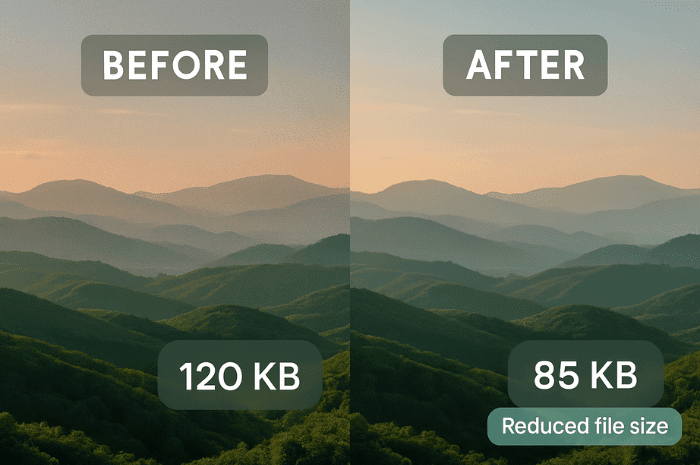
Optimizing images to speed up WordPress site

Key Features:

  • Reduced Page Size: Optimized images significantly decrease the overall size of your webpages.
  • Faster Loading for Users: Smaller image files load much quicker, improving the perceived speed of your website.
  • Lower Bandwidth Consumption: Optimized images consume less bandwidth for both your server and your visitors.

3. Leverage Browser Caching

Browser caching is a powerful way to speed up WordPress site for visitors who return. When a visitor comes to your website, their browser may download many types of static files such as the CSS stylesheet, JavaScript files, pictures, and other media files. By using caching on the visitor’s browser, all these files can be stored locally on his or her computer for a certain length of time.The next time the same visitor requests another page from your WordPress site, or even just returns to it later, those files can be gotten straight out of his own disk cache instead of being downloaded from your server again. This reduces greatly the amount of data needing to travel over the Internet and can help make pages speedily available and a real pleasure to Browse.You can set up browser caching through your web server’s configuration files (for example .htaccess for Apache), or use caching plugins in WordPress which will do this automatically.
Browser caching to speed up WordPress site.


Key Features:

  • Faster Load Times for Returning Visitors: Cached files load almost instantly from the user’s local machine.
  • Reduced Server Load: By serving static files from the browser cache, your server experiences less load.
  • Improved User Experience: Returning visitors will enjoy a noticeably faster and more responsive website.

4. Minify CSS and JavaScript

CSS and JavaScript files that control how your WordPress website looks and behaves can often be full of unnecessary characters such as whitespace, comments and line breaks. These elements help make the code more readable for developers maintenance, however they are not required on the part of browsers to interpret that code anyway. So we’ve got to take them out. Minification is the process of removing these unnecessary characters from your CSS and JavaScript files, hence reducing their overall file size. Smaller file sizes mean shorter waiting times for people who visit your website with a web browser– something which everyone appreciates! You can minify your CSS and JavaScript files with various online tools or WordPress optimization plugins that provide this functionality. Keep in mind that, though minification might give you a noticeable speed boost it’s always best to back up your website before implementing these changes–even if you’re editing theme files manually.
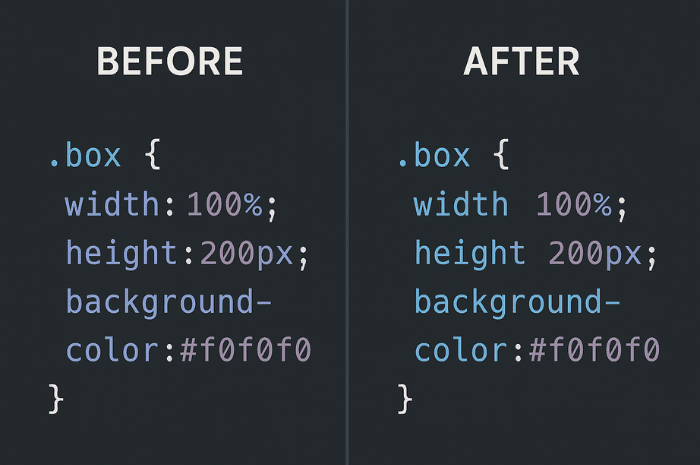
Minifying CSS and JavaScript to speed up WordPress site.

Key Features:

  • Reduced File Sizes: Minification removes unnecessary characters, leading to smaller CSS and JavaScript files.
  • Faster Download Times: Smaller files download more quickly, improving page load speed.
  • Improved Website Performance: Faster loading times contribute to a better overall website performance and user experience.

GPL Explained: https://blog.puregpl.com/category/gpl-explained/

5. Use a Content Delivery Network (CDN)

A content delivery network ( CDN ) is a strategically distributed network of servers located in various geographic locations around the world. When someone visits your WordPress site, the CDN delivers static elements such as images, CSS stylesheets, JavaScript code or even video clips adult content from the server nearest to their location. This lowers the distance that data has to travel and means substantially faster load times; especially for individuals who live far away from your hosting server’s home turf. Employing a CDN can dramatically speed up WordPress site ‘ Browse experience all over the world. Some paid plans– and some that are even freely available– exist for providers of CDN services. And bringing your WordPress site into line with a CDN is largely a non-intrusive process, often facilitated by WordPress plugins or simple changes to the domain name system (DNS) records.

Using a CDN to speed up WordPress site globally.

Key Features:

  • Faster Loading for Global Visitors: Content is served from the nearest server, reducing latency.
  • Reduced Server Load: The CDN handles the delivery of static content, freeing up your origin server’s resources.
  • Improved Website Availability: CDNs often have built-in redundancy, which can help improve your website’s uptime and availability.

6. Optimize Your WordPress Database

With time, there are all kinds of data leftover in the WordPress databasewhich is probably no longer needed by anyone, things like posts and pages that have been trashed or spams comments, post revisions you don’t remember writing at all and expired transient options. However, this extra information can overfill your database, making it less efficient and sometimes even totally jam-packed. Cleaning out the database in WordPress is roustsIt involves stripping any irrelevant content that loads up memory and takes too long to process; in effect reducing everything to just the essentials. You can manually optimize the WordPress database using tools like phpMyAdmin. However, WordPress plug-ins specially designed for database optimization are recommended nowadays. They can quickly and safely clean your database with just a few clicks, speed up WordPress site without worrying about losing important data accidentally. Regularly optimizing your database is a good habit for keeping a healthy site and pages that load fast.
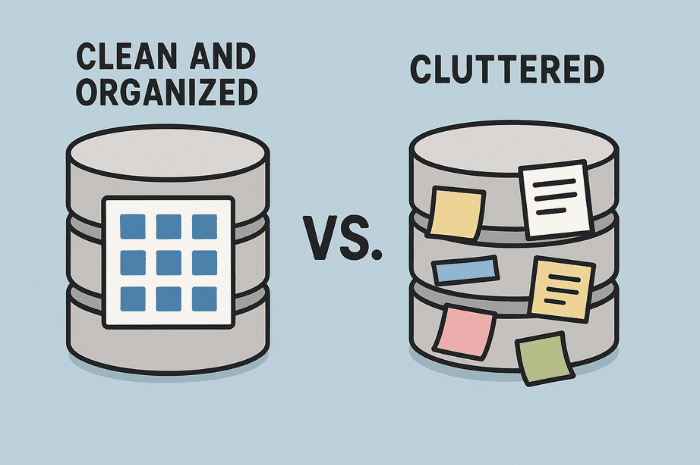
Optimizing the WordPress database to speed up WordPress site.

Key Features:

  • Improved Database Efficiency: Removing unnecessary data makes your database run faster.
  • Reduced Database Size: A smaller database can lead to quicker backups and restores.
  • Enhanced Website Responsiveness: A well-optimized database contributes to faster loading times and a smoother user experience on your WordPress site.

7. Limit and Optimize Plugins

It is important that when people add WordPress plugins to their site, this does not result in significantly reducing the speed of the screen. As each plugin adds more code to the website, and poor coding (or the presence of too many unnecessary) plugins can slow down WordPress horribly. Perform an audit on your plugins at regular intervals to assess which ones you no longer use or need. For those you decide to keep around, make certain they’re coded well, remain updated by their developers and geared toward peak performance. Check out reviews and ratings before you download a new plugin. This should give an idea of how reliable various ones really are and to what extent they may affect site speed. Consider whether another alternative exists: do you really have to deploy a whole new plugin for this particular function? Perhaps could you accomplish it by adding a code snippet into your theme’s functions.php file (if comfortable with such things) or use features that are on backgrounds in Use now more importantly as we introduce new products coming The%2 accomplished already by WordPress itself

Limiting and optimizing plugins to speed up WordPress site.

Key Features:

  • Reduced HTTP Requests: Fewer plugins generally mean fewer requests to the server, leading to faster loading.
  • Improved Code Quality: Using well-coded plugins minimizes the risk of performance bottlenecks.
  • Enhanced Security: Regularly updated plugins are less vulnerable to security threats that can also impact website performance.

8. Choose a Fast and Reliable Hosting Provider

Your hosting server has an incredibly big impact on the speed and overall performance of your WordPress site.If you are using a low-quality server with scant resources or lots of network traffic, it is certain that your site will have poor response times.Fast servers and infrastructures which are specifically designed for WordPress can certainly improve the speed up WordPress site.Choose services such as managed WordPress hosting, which often offer server-level caching, auto-updates and other features that are designed to speed up WordPress site.Shared hosting might be cheap initially but as your site gets bigger and the traffic starts coming, you will need to upgrade to something like a Virtual Private Server (VPS) or dedicated server if you don’t want slow load times.Spreading your page file across several physical disks will boost performance, a data terrier explained to Digital Trends. If you can afford solid-state drives (SSDs)–which are much faster than traditional hard drives despite being more expensive per gigabyte of storage–then that’s even better!Study a variety of hosting providers, compare the features and speed of each one and then pick a service that meets your needs and budget to speed up WordPress site.

Fast hosting provider to speed up WordPress site.

Key Features:

  • Faster Server Response Time: A good host provides quick processing of requests.
  • Optimized Infrastructure: Hosting specifically designed for WordPress often includes performance optimizations.
  • Scalability: Reliable hosts offer options to scale your resources as your website grows, ensuring consistent speed.

9. Keep WordPress, Themes, and Plugins Updated

To maintain a secure website you should regularly update the core WordPress installation and any GPL themes or plugins that have been installed on your site. However, not only is this for safety, but it also plays an important role in ensuring site performance. Developers often release updates that address these issues by way of performance improvements, bug fixes, and optimizations that can speed up WordPress site loading times. Obsolete software is also more susceptible to cyber-attacks which may have an impact on the speed of your website as well its good name. Develop the habit of checking for and installing updates from your WordPress dashboard on a regular basis. Before running a software update, it is always best to perform a complete backup of your site. You can restore the backup quickly in the event that problems arise during the update process. The simplest way to achieve and maintain a fast, secure WordPress site is by keeping everything up to date.

Keeping everything updated to speed up WordPress site.

Key Features:

  • Performance Enhancements: Updates often include code optimizations that improve speed.
  • Bug Fixes: Updates address known issues that might be causing performance problems.
  • Improved Security: Security patches in updates prevent vulnerabilities that could slow down or compromise your site.

Free Premium WordPress Plugins: https://blog.puregpl.com/unlock-premium-features-free-gpl-plugins

10. Use Lazy Loading for Images and Videos

Lazy loading is an intelligent way of optimizing the load time of images and videos on your WordPress-the ideal thing to do in particular if it is full of visual content and you want to limit this. Instead of loading all the images and videos on a page at once when someone comes to visit, lazy loading only does that for any below-the-fold media. (By that, I am, of course, talking about the portion of a web page that does not appear in one immediate view. Only after you have scrolled down their web page will these media elements be loaded. This means that users are able to surf the speed up WordPress site. Users do find out as a result that lazy loading reduces the initial page loading time considerably. The browser is only brought into play where content appears that can be immediately seen by an unloaded (i.e., first time around) user. If you do it, site should implement lazy loading fairly quickly and wholeheartedly to improve its performance. It is also something that can now be accomplished through many different WordPress optimization plugins or in some cases forms part of your GPL theme.

Using lazy loading to speed up WordPress site.

Key Features:

  • Faster Initial Page Load: Only visible content is loaded initially, improving perceived speed.
  • Reduced Bandwidth Usage: Media below the fold is only loaded if the user scrolls down.
  • Improved Performance on Mobile Devices: Lazy loading is particularly beneficial for mobile users with slower internet connections.

Test Your WordPress Site Speed

After implementing these optimization tricks, it’s essential to test your WordPress site speed to see the improvements. Use tools like Google PageSpeed Insights (https://pagespeed.web.dev/) and GTmetrix (https://gtmetrix.com/) to analyze your website’s performance and identify further areas for improvement.

Conclusion: Optimizing Your GPL WordPress Theme for Speed

To optimize your GPL WordPress theme for speed isn’t a huge challenge. By deploying these quick and dirty but effective tricks, you can greatly speed up WordPress site loading times, raise user experience level, and possibly help your SEO ranks. Be sure to regularly test your site’s speed and keep looking for ways to improve. Even with a GPL theme, a fast and efficient WordPress site is achievable.

Disclaimer: While these tips are generally applicable to GPL WordPress themes, the specific performance may vary depending on the theme’s code and your website’s content. Always back up your website before making significant changes.


TAGGED:GPL WordPress themes speedimprove website loading timeoptimize WordPress themespeed up WordPress sitetheme optimization trickswebsite speed testWordPress performanceWordPress speed optimization
Previous Article Free Premium WordPress Plugins Free Premium WordPress Plugins? A Beginner’s Guide to Using GPL Plugins Effectively
Next Article Essentials Download Essentials – Get Started with the Best Flexible Multipurpose Theme
FacebookLike
PinterestPin
InstagramFollow
YoutubeSubscribe

Subscribe Now

Subscribe to our newsletter to get our newest articles instantly!

    Most Popular
    SEOPress Pro Review 2026: Features, Pricing and Verdict
    September 21, 2026
    Most WordPress form plugins stop at the point of submission: the entry lands in the database, an email goes out, and everything after that is your problem. This Formidable Forms Pro review looks at a builder that treats submitted data as something you can act on — collecting payments, triggering automated workflows, and publishing entries back to the front end through Views. For anyone who has outgrown a basic contact form and started sketching directories, calculators, or client-facing dashboards, that distinction matters more than field types do. The question is whether an annual license justifies itself for site owners whose forms need to do real work after the submit button. Quick Verdict Formidable Forms suits freelancers, agencies, and business owners building data-driven forms — payment flows, application systems, front-end listings — on WordPress. Anyone who only needs a styled contact form will find the license hard to justify, and the plugin has no use outside WordPress. Pros Views display submitted entry data on the front end, turning forms into simple web applications rather than one-way capture points Payment collection through Stripe, PayPal, Square, and Authorize.net covers most common checkout setups CRM and automation integrations include Salesforce, Zapier, Google Sheets, HubSpot, and Mailchimp Business and Elite licenses cover unlimited sites, including client sites — practical for agencies juggling multiple builds Over 100 form templates give you a starting point instead of a blank canvas Layered spam protection built in via reCAPTCHA, honeypot, and Akismet Pro zip uploads directly through the WordPress plugin uploader with no extraction step Cons User registration is limited to certain plans and requires a separate add-on rather than working out of the box Single-site and three-site limits on Basic and Plus push multi-site owners toward the pricier Business or Elite tiers 👉 See Formidable Forms pricing Core Features The formidable-pro-6.34.zip file installs directly in WordPress via Plugins → Add New Plugin → Upload Plugin, without extracting it first — a small detail, but one that saves a step for anyone used to unzipping archives before upload. Views: Displaying Submitted Entries on the Front End Views are the feature that separates Formidable Forms from the average contact form plugin. Instead of entry data sitting in the WordPress admin waiting for someone to export it, Views pull submitted entries back out and render them on the front end — as directories, listings, tables, profile pages, or whatever layout the data suits. That changes what a form is for. A submission stops being a message you reply to and becomes content that populates a page. Job boards, member directories, event calendars, review listings, and internal dashboards all become achievable without a separate directory plugin or custom post type work. For anyone considering the Pro license specifically, this is usually the reason. Views are what make the "front-end web applications" claim more than marketing language. Form Builder for Simple Forms and Full Applications The builder handles the ordinary case — a contact form, a quote request, a newsletter signup — and then keeps going. The same interface builds multi-step forms and calculation-driven applications, so you are not learning a second tool when a project grows past a name-and-email field. The practical benefit is consistency across a portfolio. A freelancer building a five-field contact form on one site and a mortgage calculator on another works inside the same builder both times, which shortens the second build considerably. Payment Collection Payments run through Stripe, PayPal, Square, and Authorize.net. Having four processors available matters more than it sounds: merchant account availability varies by country and by business type, and being locked to a single gateway is a common reason form plugins get replaced mid-project. This covers the transactions that do not belong in a full store — donations, deposits, booking fees, application charges, invoice payments. Rather than installing WooCommerce to take a single fee, you attach payment collection to a form you were building anyway. A WooCommerce integration is available separately for sites that do run a store. Workflow Automation Automation ties what happens after submission to conditions you set, so form data triggers actions instead of just landing in a database table. Combined with Views, it is the second half of the application-building story — data comes in, actions fire, results display. For a business owner, this is the difference between checking an inbox and having submissions route themselves. Approval steps, conditional notifications, and follow-up actions run without anyone opening the WordPress dashboard. Integrations With CRMs, Marketing Tools, and Automation Platforms The integration list covers Salesforce, HubSpot, Mailchimp, Zapier, Google Sheets, ChatGPT, and Webhooks alongside the payment gateways, plus WooCommerce and ACF on the WordPress side. Two of those deserve attention. Zapier and Webhooks together mean that anything not on the native list is still reachable, and Webhooks in particular gives developers a direct route into custom endpoints. Google Sheets suits teams who want submissions in a spreadsheet their non-technical colleagues already use, without granting WordPress admin access. 100+ Form Templates The template library ships with over 100 prebuilt forms. For agencies handling repetitive client requests — contact, quote, registration, application, feedback — starting from a template and editing fields is faster than building from an empty canvas each time. Templates also serve as a reference for how the builder handles more complex structures, which helps when you are moving from simple forms toward calculation or multi-page setups. Layered Spam Protection Three spam defenses are built into the plugin's settings: reCAPTCHA, a honeypot field, and Akismet. They work at different points — the honeypot catches naive bots silently, reCAPTCHA challenges suspicious sessions, and Akismet checks submission content against a shared spam database. Because all three are configured inside Formidable Forms rather than bolted on through separate plugins, you can layer them according to how aggressive a given form needs to be. A newsletter signup and a public job application do not need the same level of friction. User Registration Forms can create WordPress user accounts, which turns a signup form into the front door of a membership area, client portal, or community site. Registration is not part of the base install — it depends on the user registration add-on and is limited to certain plans, so confirm plan eligibility before committing to a build that relies on it. Paired with Views, registration supports a common pattern: users sign up, submit entries, and see their own submissions displayed back to them on the front end. Installation and Setup Setup is quick. Tested on WordPress 6.5 with PHP 8.4, installation and basic configuration took about two minutes from upload to a working form. Install the free Formidable Forms plugin first. The free core plugin is distributed through the WordPress.org plugin directory. Search for it under Plugins → Add New Plugin, install it, and activate it. The Pro plugin is an extension, not a replacement — the free core plugin must remain installed and active for Pro to function. Deactivating it will break the Pro features. Purchase a Pro license. Four tiers are sold: Basic, Plus, Business, and Elite. Download the Pro plugin ZIP from your account after purchase. Upload the Pro ZIP through WordPress. Go to Plugins → Add New Plugin → Upload Plugin, choose the ZIP file, and install it. The archive installs directly — there is no need to extract it or dig for a nested plugin folder inside it first. Activate the Pro plugin. Both plugins now appear in your plugin list, and the Pro features become available inside the Formidable Forms admin screens. Build your first form, starting from a template rather than a blank canvas. Turn on spam protection. reCAPTCHA, honeypot, and Akismet are all supported and configured through the plugin's settings. Connect the services you need. Payment processors and third-party tools are set up per form or through the global settings, depending on the integration. Add the user registration add-on if your plan includes it. The vendor maintains a Docs & Support area and a community resource for anything beyond the basics. Compatibility and Requirements Requirement Detail WordPress version 6.3 or higher PHP version 7.4 or higher License GPL The vendor is blunt about the platform requirement: "Formidable Forms is a WordPress Plugin. In order to use Formidable Forms, you must have a WordPress site. That's all." There is no standalone, hosted, or non-WordPress version — if your site runs on Squarespace, Webflow, or a static generator, this is not the tool for you. For a live, public-facing site, pair a currently supported PHP version with the current stable WordPress release rather than sitting at the stated minimums. Unsupported PHP branches stop receiving security patches, and a form plugin handling payments and personal data is the last place to accept that risk. On the integration side, the plugin connects with Stripe, PayPal, Square, and Authorize.net for payments, plus Salesforce, HubSpot, Mailchimp, Zapier, ChatGPT, Google Sheets, Webhooks, WooCommerce, and ACF. Formidable Forms Pricing Formidable Forms runs on a freemium model. The free core plugin, distributed through the WordPress.org plugin directory and often referred to as Formidable Forms Lite, is a drag-and-drop form builder used on hundreds of thousands of active sites. It handles standard form building on its own, and it also acts as the foundation for the paid product. The Pro version is sold as an annual license across four tiers. Plan Price Sites Basic $79/year 1 site Plus $199/year Up to 3 sites Business $399/year Unlimited sites, including client sites Elite $599/year Unlimited sites, including client sites All four tiers are currently listed at 50% off those regular rates — Basic at $39.50/year, Plus at $99.50/year, Business at $199.50/year, and Elite at $299.50/year. Discounting at this depth is a familiar pattern in the WordPress form builder market, so treat the promotional figure as the price you are likely to see rather than the price the plugin is nominally worth. Paid plans are GPL licensed and include one year of updates and support. A 14-day money-back guarantee applies to purchases. For agencies and freelancers, the Business and Elite tiers are the ones worth weighing. Both cover unlimited sites, client sites included, which removes the per-project license math that eats into small builds. Alternatively, a license can be purchased per client site if you would rather bill each project separately. Formidable Forms also runs an affiliate program paying 20% commission. Feature availability differs by tier. Check the current plan comparison at formidableforms.com before buying so the tier you choose covers the integrations and add-ons your build actually needs. 👉 Get Formidable Forms at the best available price Alternatives to Formidable Forms Formidable Forms sits at the heavier end of the WordPress form builder market, where the job extends past capturing a message into payments, automation, and displaying submitted entries on the front end through Views. The alternatives below are the names most site owners weigh against it, and they differ mainly in how far past basic form capture they go. Product Key Difference Best For Price Tier Formidable Forms Views display submitted entry data on the front end, alongside payments, workflow automation, and unlimited-site licensing on the Business and Elite tiers Freelancers and agencies building data-driven forms and front-end applications across multiple sites Freemium, with paid annual Pro licenses WPForms Beginner-oriented drag-and-drop builder with a template-first onboarding flow Site owners who want conventional contact, survey, and order forms with minimal setup Freemium, with paid annual licenses Gravity Forms Long-established developer-focused builder with a large third-party add-on ecosystem Developers who want extensive hooks and a wide catalog of extensions Paid, subscription-based Fluent Forms Positioned around a lightweight footprint and fast form rendering Sites where keeping plugin overhead low is a priority Freemium, with paid licenses Ninja Forms Modular architecture where features are added as individual extensions Users who prefer to pay only for the specific functions they need Freemium, with paid extensions Contact Form 7 Minimal, markup-driven form handling with no built-in visual builder Simple contact forms on sites that need nothing more Free Competitor data is sourced from publicly available information as of 2026 and may have changed. The right pick comes down to what you are actually building. A single contact form does not justify an annual license, but if you need front-end entry display, payment gateways, and CRM handoff on several client sites, the comparison narrows quickly. Frequently Asked Questions Is Formidable Forms free or do you need the Pro version? A free version exists and is distributed through the WordPress.org plugin directory as a drag-and-drop form builder. The Pro version is sold as a paid annual license and adds the features covered above, including Views, payment collection, and the wider integration set. Does Formidable Forms require the free plugin to be installed? Yes. The free Formidable Forms core plugin must remain installed and active for the Pro plugin to function — Pro runs as an extension of the core plugin rather than a standalone replacement. How much does Formidable Forms cost per year? There are four annual tiers: Basic at $79/year, Plus at $199/year, Business at $399/year, and Elite at $599/year. All four are currently listed at 50% off those regular prices, so the promotional figures are $39.50, $99.50, $199.50, and $299.50 respectively. How many sites can I use one Formidable Forms license on? Basic covers a single website and Plus covers up to three sites. Business and Elite licenses can be used on unlimited sites, including client sites, or a license can instead be purchased per client site. What are Formidable Forms Views used for? Views display submitted entry data on the front end of your site, so form submissions become readable content rather than data locked in the admin area. That is what allows the plugin to power directories, listings, and simple front-end web applications instead of just capturing and storing entries. Can Formidable Forms collect payments with Stripe or PayPal? Yes. Payment collection is a core capability, with integrations for Stripe, PayPal, Square, and Authorize.net, alongside WooCommerce for store-based workflows. What are the WordPress and PHP requirements for Formidable Forms? Recent versions require WordPress 6.3 or higher and PHP 7.4 or higher. Beyond that, a WordPress site is the only requirement — the plugin does not work on non-WordPress platforms. We installed it on WordPress 6.5 with PHP 8.4 without issues. Does Formidable Forms offer a refund or money-back guarantee? Yes, a 14-day money-back guarantee applies to purchases. That gives you a short window to test the Pro feature set on a real site before the sale becomes final. Is Formidable Forms GPL licensed? Yes, the Pro plugin is distributed under the GNU General Public License. Paid plans include one year of updates and support, which means continued access to updates depends on renewing the license. Download & Pricing Options 🆓 Free Version 👉 Download the Free Version of Formidable Forms 💎 Get Formidable Forms (Best Available Price) 👉 Check Current Pricing for Formidable Forms Pricing and availability may change — use the link above for current rates. Buying Formidable Forms Pro outright is not the only route. See our best GPL site for WordPress comparison for how ten GPL vendors differ on file integrity, update speed and licence keys.
    Formidable Forms Pro Review 2026: Features, Pricing, Verdict
    September 21, 2026
    UpdraftPlus Premium Review 2026: Is the Upgrade Worth It?
    September 21, 2026
    FluentCRM Pro Review 2026: Features, Pricing and Verdict
    September 21, 2026
    PixelYourSite PRO Review 2026: Is This Tracking Plugin Worth It?
    September 17, 2026

    You Might Also Like

    Monsterinsights
    SEO & RankingWeb GuidesWordPress Plugins

    MonsterInsights Review 2026: Pricing, Features and Verdict

    17 Min Read
    Yoast-Seo-Pro
    SEO & RankingWeb GuidesWordPress PerformanceWordPress Plugins

    Yoast SEO Premium Review 2026: Features, Pricing & Value

    14 Min Read

    Always Stay Up to Date

    Subscribe to our newsletter to get our newest articles instantly!

      blog-log blog-log

      We share tips, tricks, and guides to help you build better WordPress websites and improve online success.

      Free For You!

      • Elementor Pro
      • AvadaNew
      • JNews
      • Premium Plugins

      Quick Links

      • GPL Explained
      • Tips & Tricks
      • Tutorials
      • Web Guides

      Unlock the Unexpected!

      Think PureGPL is just another GPL site? Think again. 👀
      Surprise Me
      Welcome Back!

      Sign in to your account

      Username or Email Address
      Password

      Lost your password?